SOC 2 Readiness Assessment: Prepare for Your Audit
A SOC 2 readiness assessment is a structured evaluation of your organization's security controls, policies, and processes before the formal audit begins. Think of it as a practice run that identifies gaps, reduces surprises, and dramatically improves your chances of passing the actual SOC 2 audit on the first attempt.
Skip the readiness assessment and your auditor becomes the one who finds your gaps, live, during the paid engagement. Fixing a broken access-review process on your own schedule is a different exercise than fixing it while an auditor is actively testing controls and the clock on your fieldwork is already running. This guide walks you through exactly what a readiness assessment covers, how to run one, and what to expect at each stage.
Why a Readiness Assessment Matters
A readiness assessment exists to surface the same gaps a formal audit would find, but on your own timeline instead of the auditor's. That distinction is the entire value of running one first: remediation you control versus remediation forced by an open finding.
Here is what happens without one: your auditor arrives, starts testing controls, and discovers that your access review process exists on paper but has not been executed consistently. Or your change management policy references an approval workflow that was abandoned six months ago. These findings do not just delay the audit. They can result in qualified opinions or exceptions in your final report.
A readiness assessment catches these issues when you still have time to fix them.
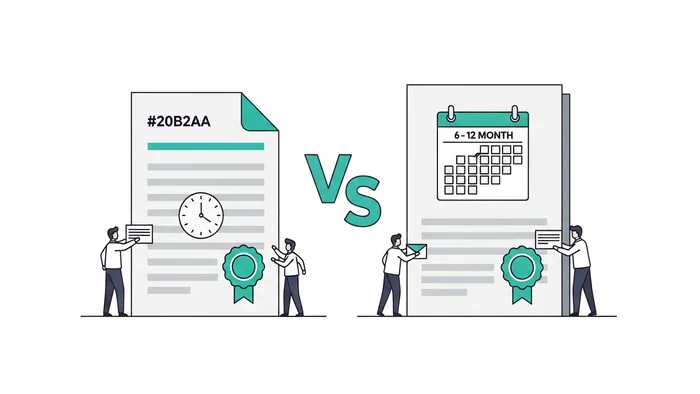
Readiness Assessment vs. SOC 2 Audit: Key Differences

| Aspect | Readiness Assessment | SOC 2 Audit |
|---|---|---|
| Performed by | Internal team, consultant, or advisory firm | Licensed CPA firm |
| Output | Gap analysis report with remediation plan | Formal SOC 2 report (Type I or Type II) |
| Duration | 2-4 weeks | 4-12 weeks (Type II includes observation period) |
| Cost | Staff time only if self-assessed; quote-based if you engage a consultant or platform | Quote-based, see our SOC 2 audit cost breakdown |
| Regulatory standing | No formal attestation | AICPA-recognized attestation |
| Repeat frequency | Before first audit, then as needed | Annually |
What the Assessment Covers
A thorough readiness assessment evaluates your organization against the SOC 2 Trust Service Criteria you plan to include in your audit scope. At minimum, every SOC 2 audit covers Security (Common Criteria). Most organizations also include Availability and Confidentiality.
1. Control Environment Review
The assessment starts with your control environment: the governance structure, policies, and organizational commitment to security that everything else rests on.
Evaluators examine:
- Board or executive oversight of security programs
- Organizational structure and reporting lines for security
- Code of conduct and ethics policies
- Risk management processes and risk appetite statements
- Commitment to competence (hiring, training, certifications)
Common gap: Many startups have informal security practices that work well but are not documented. The readiness assessment identifies where "we all know how this works" needs to become written policy.
2. Risk Assessment Process
SOC 2 requires a formal risk assessment process. The readiness evaluation checks whether you have:
- A documented risk assessment methodology
- Identified threats and vulnerabilities relevant to your services
- Assessed likelihood and impact of identified risks
- Mapped controls to identified risks
- A process for updating the risk assessment when the environment changes
Common gap: Organizations often perform a risk assessment once and never update it. SOC 2 expects this to be a living process, reviewed at least annually.
3. Information and Communication
This area covers how security-relevant information flows through your organization:
- Security policies are communicated to all employees
- Roles and responsibilities are clearly defined
- External communications about security commitments (SLAs, contracts, privacy notices)
- Incident notification processes for customers and regulators
4. Monitoring Activities
Evaluators check whether you actively monitor the effectiveness of your controls:
- Regular access reviews (quarterly for privileged access, semi-annually for standard)
- Vulnerability scanning and penetration testing schedules
- Log monitoring and alerting
- Vendor risk management reviews
- Internal audit or self-assessment activities
5. Control Activities (Technical and Administrative)
This is the bulk of the assessment. For each Trust Service Criteria in scope, evaluators test specific controls:
Logical access controls:
- Multi-factor authentication for production systems
- Role-based access control (RBAC) implementation
- Password policies and enforcement
- Privileged access management
- Access provisioning and deprovisioning procedures
Change management:
- Change request and approval workflows
- Separation of duties between development and production
- Code review requirements
- Testing before production deployment
- Emergency change procedures
Incident response:
- Documented incident response plan
- Defined roles and escalation paths
- Regular tabletop exercises or simulations
- Post-incident review process
Data protection:
- Encryption at rest and in transit
- Data classification scheme
- Data retention and disposal policies
- Backup and recovery procedures and testing
How to Run a Readiness Assessment
Option 1: Self-Assessment
Best for organizations with experienced security professionals on staff. Use the AICPA's Trust Services Criteria (free with an AICPA & CIMA account) as your checklist.
Pros: Lowest cost, builds internal knowledge, no external scheduling needed. Cons: Potential blind spots, no external validation, less credibility with stakeholders.
Option 2: Consultant-Led Assessment
Engage a security consulting firm (not your audit firm) to conduct the assessment.
Best for: organizations with limited in-house security depth, or ones that need an independent assessment to satisfy a board, an investor, or an enterprise customer's due-diligence questionnaire.
Pros: External perspective catches blind spots, experienced assessors know common pitfalls, deliverables are typically more structured. Cons: Highest direct cost of the three options. Consulting fees are quote-based rather than list-priced, so your figure depends on the number of Trust Services Criteria in scope, your system count, and the firm you pick. Also requires vendor selection and scheduling lead time.
Option 3: Platform-Assisted Assessment
Use a GRC platform like Vanta, Drata, or Secureframe that includes readiness assessment features. These platforms map your existing controls to SOC 2 criteria and highlight gaps automatically.
Best for: organizations that will need continuous evidence collection anyway once they are in annual audit cycles, and would rather stand the tooling up before the first audit than bolt it on after.
Pros: Fastest path to gap identification, continuous monitoring, evidence collection automation. Cons: Platform subscription cost, may not catch nuanced policy gaps, still need human review.
The Readiness Assessment Timeline

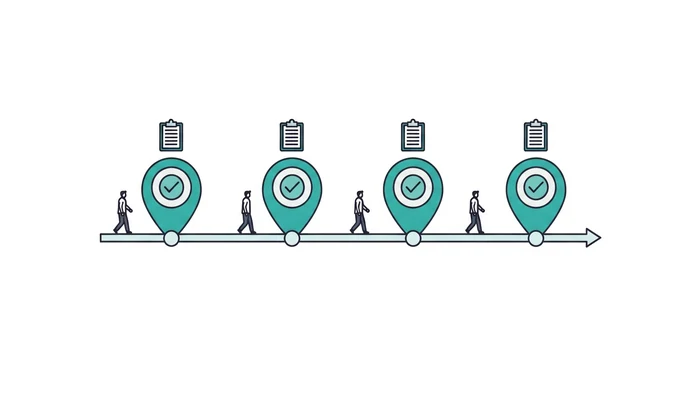
Here is a realistic timeline for a first-time SOC 2 readiness assessment:
Weeks 1-2: Scoping and Documentation Review
- Define Trust Service Criteria in scope
- Collect all policies, procedures, and system documentation
- Map your technology stack and data flows
Weeks 2-3: Control Testing
- Test technical controls (access management, encryption, logging)
- Review administrative controls (policies, training, vendor management)
- Interview process owners
Week 4: Gap Analysis and Reporting
- Compile findings with severity ratings
- Develop remediation recommendations with estimated effort
- Present findings to leadership
Weeks 5-16: Remediation
- Address critical and high-severity gaps first
- Update policies and procedures
- Implement missing technical controls
- Begin evidence collection for the audit period
Common Readiness Findings (and How to Fix Them)
These are the most frequently identified gaps during SOC 2 readiness assessments:
1. Incomplete or Outdated Policies
The problem: Security policies exist but have not been reviewed in over a year, or key policies are missing entirely.
The fix: Conduct a policy review sprint. Prioritize: Information Security Policy, Acceptable Use Policy, Access Control Policy, Change Management Policy, Incident Response Plan, and Vendor Management Policy. Set annual review dates.
2. No Formal Risk Assessment
The problem: The organization has never conducted a formal risk assessment, or did one years ago that no longer reflects the current environment.
The fix: Use a framework like NIST SP 800-30 or ISO 27005 to conduct a risk assessment. Document methodology, identified risks, likelihood/impact ratings, and planned responses.
3. Inconsistent Access Reviews
The problem: Access reviews are supposed to happen quarterly but evidence shows they have been skipped or done inconsistently.
The fix: Automate access review workflows using your GRC platform or identity provider. Set calendar reminders. Document the results of every review, including the "no changes needed" reviews.
4. Missing Change Management Evidence
The problem: Changes are deployed to production without documented approval, testing evidence, or separation of duties.
The fix: Implement pull request requirements with mandatory reviews. Use deployment pipelines that enforce approval gates. Configure your CI/CD system to log every deployment with the approver's identity.
5. No Vendor Risk Management Program
The problem: Third-party vendors have access to sensitive data but no formal risk assessment or security review has been conducted.
The fix: Create a vendor inventory. Classify vendors by risk tier (based on data access and criticality). Collect SOC 2 reports or security questionnaires from high-risk vendors. Review annually.
What Comes After the Readiness Assessment
Once remediation is complete, you are ready to engage your audit firm. Here is the sequence:
- Select your auditor (see our guide on how to choose a SOC 2 auditor)
- Define the audit scope with your auditor (Trust Service Criteria, system description, audit period)
- Begin the observation period (for Type II; the length is set by agreement between you and your auditor based on your control maturity and reporting deadline, not a fixed AICPA minimum)
- Collect evidence throughout the observation period
- Undergo fieldwork (auditor tests controls and reviews evidence)
- Receive and review the draft report
- Finalize the SOC 2 report
Frequently Asked Questions

How much does a SOC 2 readiness assessment cost?
There is no list price for any of the three routes, so the useful question is which cost model you are taking on. A self-assessment converts almost entirely into internal security-team hours, which is cheapest in cash and most expensive in calendar time if the team is already loaded. A consultant-led assessment is a quote-based professional-services fee that scales with the number of Trust Services Criteria in scope, your system count, and the firm's rate. A GRC platform is an annual subscription that scales with headcount and integrations, and it keeps producing value after the readiness assessment ends. Price all three against your own scope rather than a generic range, and ask each vendor what happens to the fee if your scope grows before the audit. Keep in mind this is the readiness assessment cost only; the audit itself is a separate engagement billed later by your CPA firm, covered in our SOC 2 audit cost breakdown.
Can the same firm do the readiness assessment and the audit?
Yes, but with restrictions. The AICPA allows advisory and attestation services by the same firm under certain conditions. The key requirement is that the firm cannot make management decisions for you. They can identify gaps and recommend solutions, but you must decide on and implement the remediation. Discuss independence requirements with your auditor before engaging them for advisory work.
How long is a SOC 2 readiness assessment valid?
There is no formal expiration, but a readiness assessment reflects a point in time. If significant changes occur after the assessment (new systems, organizational changes, updated policies), portions of the assessment may need to be repeated. Most organizations do not wait for a calendar trigger: they re-run the affected sections as soon as one of those changes happens, and treat the next annual audit cycle as the outer bound regardless.
Do we need a readiness assessment every year?
Most organizations only need a formal readiness assessment before their first SOC 2 audit. After that, continuous monitoring through your GRC platform and internal audit activities serve the same purpose. However, if you are adding new Trust Service Criteria to your scope or have undergone major infrastructure changes, a targeted readiness assessment can be valuable.
What is the biggest mistake organizations make during readiness?
Treating it as a documentation exercise rather than an operational assessment. Having a beautiful access control policy means nothing if access reviews are not actually happening. The readiness assessment must test that controls are operating, not just that they exist on paper.
Primary Sources
This article references the following authoritative sources:
- AICPA Trust Services Criteria, AICPA SOC suite of services and Trust Services Criteria
- SSAE 18, AICPA attestation standards (SSAE 18)
Last reviewed: 2026-09-15. This article was prepared by the Security Compliance Guide Editorial Team. We use AI to draft initial summaries of publicly available cybersecurity compliance documentation, then verify every claim against primary sources before publication. We are not licensed auditors, attorneys, or compliance consultants. For binding decisions, consult a qualified professional. See our editorial standards for full sourcing rules.