How to Choose a SOC 2 Audit Firm: What Nobody Tells You
Choosing the right SOC 2 audit firm is one of the highest-leverage decisions in your compliance program. A SOC 2 audit must be conducted by a licensed CPA firm. That is the non-negotiable starting requirement. Beyond that, the market is fragmented, pricing varies by a factor of five for similar engagements, and the quality gap between firms is significant enough to affect whether your report is useful to customers or a liability in a sales process. Choosing the wrong SOC 2 audit firm costs you time, money, and sometimes a qualified opinion that kills a deal.
This guide walks through what actually matters when selecting a SOC 2 auditor: the mandatory requirements, the questions that separate good firms from bad ones, pricing signals, and what to expect from the timeline.
The Non-Negotiable Requirement: CPA Firm Licensing
Only licensed CPA firms can issue SOC 2 reports. The AICPA's AT-C Section 205 (Examination Engagements) governs SOC 2 attestation engagements, and only CPAs in public practice can conduct attestation engagements under AICPA standards.
This matters because the market is full of companies selling "SOC 2 readiness" services, "SOC 2 certification," and "SOC 2 gap assessments" that are not CPA firms. These services can be legitimate and valuable, but they cannot issue the actual SOC 2 report. The report your customers want to see must come from a CPA firm.
Before engaging any vendor, confirm: Is this entity a licensed CPA firm? Can they provide their CPA license number and the state(s) in which they are licensed? If not, they can help you prepare, but they cannot audit you.
Big Four vs Regional vs Boutique: The Honest Tradeoff
The Big Four (Deloitte, EY, KPMG, PwC) conduct SOC 2 audits, but they are generally the wrong choice for companies under $100 million in revenue. Here is why.
Big Four engagements start at $150,000 to $300,000 for a SOC 2 Type 2 audit. This is not a reflection of higher quality at the operational level; it is a reflection of overhead, brand margin, and the fact that their staff on your engagement will often be junior auditors supervised by a manager who juggles 20 clients. For most SaaS companies, a Big Four SOC 2 report does not open more doors than a report from a well-regarded boutique firm.
Enterprise procurement teams at Fortune 500 companies sometimes require Big Four auditors for their most sensitive vendor assessments. If your target market is Fortune 100 procurement, that is a legitimate reason to consider a Big Four firm. Otherwise, you are paying for the name.
Regional CPA firms (firms with multiple offices in a single region, 50 to 500 employees) occupy the middle ground. They typically charge $40,000 to $90,000 for a Type 2 audit, have dedicated technology risk or advisory practices, and often have more experienced senior staff on individual engagements than the Big Four. This is where most well-run SOC 2 programs land.
Boutique SOC 2 audit firms specialize exclusively or primarily in SOC 2 and related technology audits. Firms like Johanson Group, A-LIGN, Prescient Assurance, Linford & Co, and Moss Adams (a regional with a strong tech audit practice) are examples. These firms often have the deepest operational expertise in SOC 2 because it is their core business. Pricing ranges from $25,000 to $75,000 for Type 2, with some firms offering more competitive rates for startup-tier engagements.
The key insight: The firm's specialization matters more than its size. A boutique firm that does 200 SOC 2 audits per year will have more consistent, current SOC 2 expertise than a large firm for whom SOC 2 is a secondary service line.
Questions to Ask Before Signing an Engagement Letter
Most companies ask the wrong questions. They ask about price, turnaround time, and whether the firm is "familiar with SaaS." These are table stakes. The questions that reveal firm quality are different.
How many SOC 2 audits did your firm complete last year, and how many does the partner or manager assigned to my engagement personally oversee?
A firm that completed 300 SOC 2 audits last year with a team of 20 dedicated auditors is very different from a firm that did 12. The individual assigned to your engagement matters as much as the firm. A manager who personally manages 10 SOC 2 engagements simultaneously will give your engagement less attention than one managing 4.
What is your qualified opinion rate?
A qualified opinion means the auditor found one or more controls that failed. Firms with low qualification rates are not necessarily better auditors; they might be less rigorous. Ask how they handle discovered exceptions during the audit period. The answer tells you whether they see their role as helping you succeed or simply documenting what they find.
How do you handle exceptions discovered during fieldwork?
Good firms flag potential exceptions early, give you an opportunity to provide additional context or evidence, and discuss remediation options before issuing the report. Firms that drop exceptions on you in a draft report without prior discussion are audit factories optimizing for speed over client outcomes.
Do you have a readiness or gap assessment service, and is it delivered by the same team that will conduct the audit?
If the same team runs your readiness assessment and your audit, there is an independence concern. Many firms handle this by using separate staff or separate firms for readiness vs audit. Understand how the firm manages this separation.
What is your evidence collection process, and do you have integrations with our compliance platform?
If you are using secureframe/">drata-vs-secureframe/">Vanta, Drata, or Secureframe, audit firms that have direct integrations with those platforms can pull evidence automatically rather than requiring you to export and send hundreds of files manually. This reduces your administrative burden by 30 to 50% during fieldwork.
Can I speak with three current clients at companies similar to mine?
A firm confident in its quality will provide references without hesitation. Listen for specific details in reference calls: how responsive was the team, how clear was the feedback on exceptions, how accurate was the initial timeline estimate.
Pricing Red Flags
SOC 2 audit pricing that falls outside certain ranges should trigger questions, not celebration.
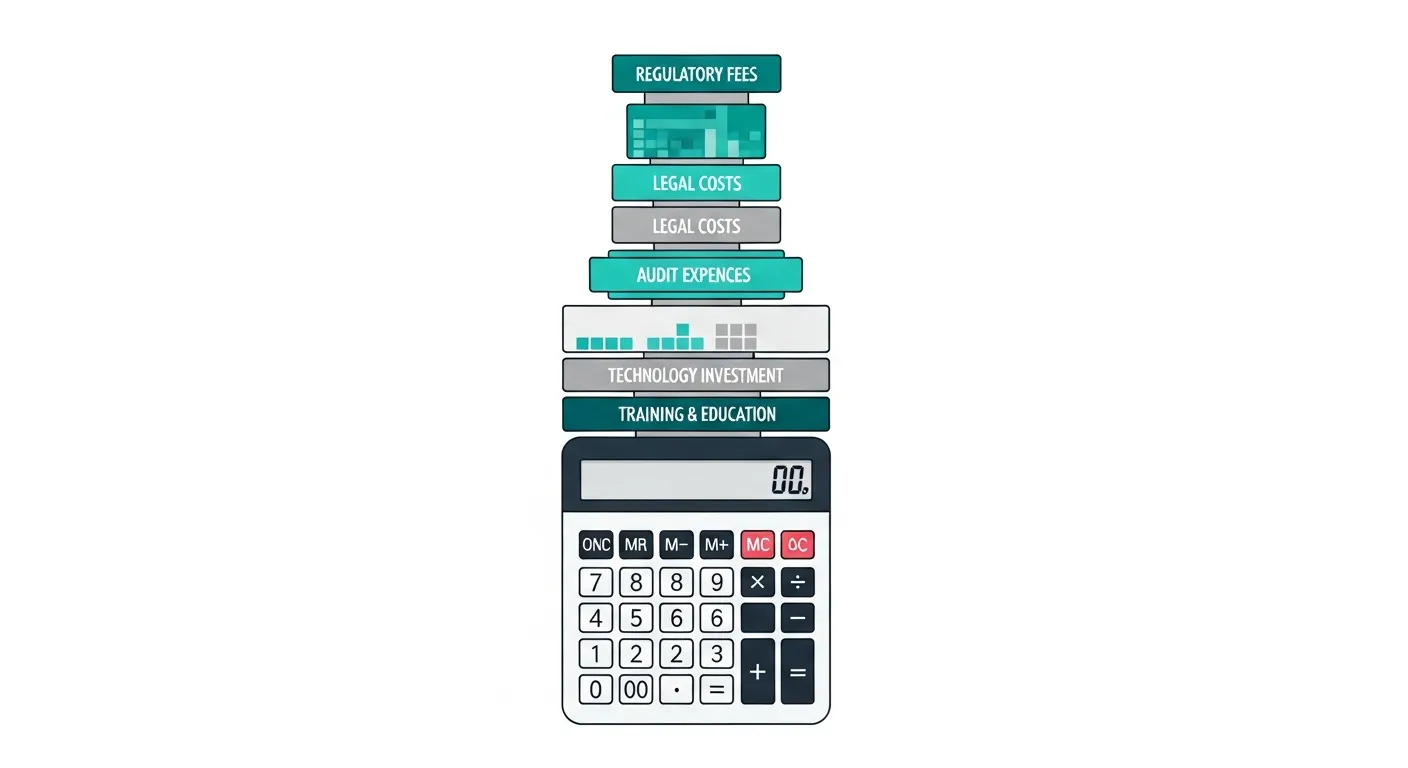
Prices below $15,000 for a Type 2 audit are a red flag. At this price point, the firm is either very junior, using inexperienced staff, compressing the audit scope in ways that will produce a thin report, or making up the margin elsewhere (e.g., mandatory "readiness" packages). A Type 2 audit covering a 6-month period requires substantial auditor time. Below $15,000, the math does not work for a quality engagement.
Prices that are vague or contingent on "what we find." Legitimate firms provide fixed-price or range-based engagement quotes based on your scope. Firms that cannot give you a quote range until they have "assessed your environment" are either disorganized or setting up for scope expansion billing.
Mandatory bundled services. Some firms require you to purchase their readiness consulting, policy templates, or training before they will audit you. This is not necessarily wrong (some firms genuinely believe it produces better outcomes), but it is worth understanding whether the bundled services are priced fairly separately. Ask for line-item pricing.
Discounts tied to speed. "If you sign by end of month, we can start immediately and give you 20% off." Urgency discounts in professional services are a sales tactic. Quality firms do not discount based on signing timeline.
Timeline Expectations
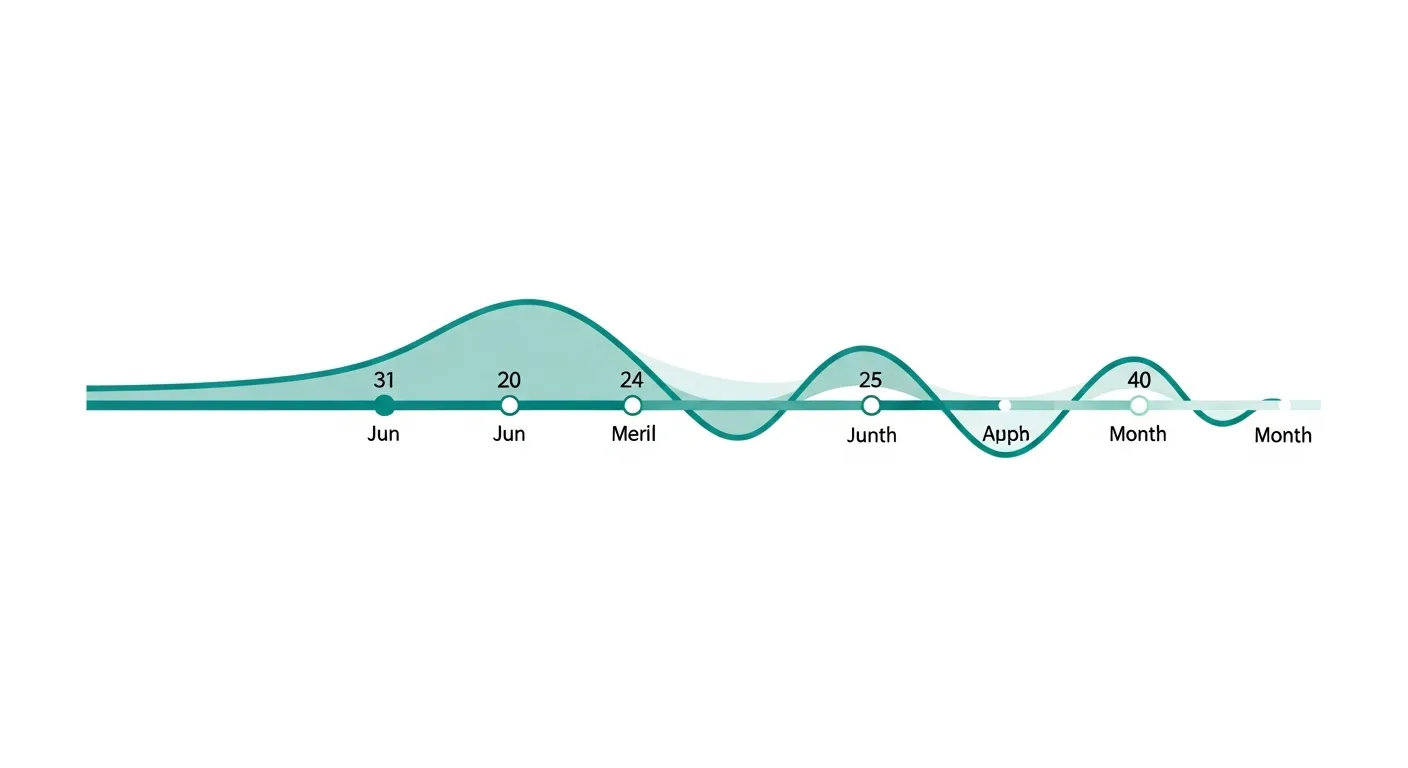
Most organizations underestimate how long the SOC 2 process takes. Here is a realistic breakdown.
Readiness phase: 3 to 6 months for companies starting from scratch. This includes building policies, implementing controls, deploying evidence collection tooling, and closing gaps identified in the gap assessment. Companies with existing security programs can compress this to 6 to 12 weeks.
Type 1 audit fieldwork: 4 to 8 weeks from the start of fieldwork to draft report delivery. The auditor reviews your control design and evidence of implementation at a point in time. This is faster than Type 2 because there is no observation period.
Type 2 audit observation period: Typically 6 or 12 months. You choose the observation period start date, and the auditor reviews evidence of operating effectiveness across that full period. Most companies choose a 6-month period for their first audit.
Type 2 audit fieldwork: 6 to 12 weeks from observation period end to draft report delivery. The auditor is reviewing a larger evidence set than Type 1.
Report finalization: 2 to 4 weeks from draft to final signed report, depending on how many rounds of revisions are needed.
Realistic total timeline from starting readiness to final Type 2 report: 9 to 18 months. If someone promises you a Type 2 report in 3 months, either you already have a very mature security program or the scope is being inappropriately compressed.
What Makes a Good Auditor vs a Bad One
Good SOC 2 auditors are constructive partners who help you understand what your controls need to demonstrate, flag issues before they become report exceptions, and write clear, specific control descriptions that hold up to customer scrutiny.
Bad auditors are documentation collectors. They send you a sample request list, accept whatever you send, and write generic control descriptions that do not actually describe your environment. Customers with experience reading SOC 2 reports can spot boilerplate descriptions immediately, which undermines the report's credibility.
Test this in your evaluation: Ask a prospective firm to show you a sanitized sample Type 2 report. Look at the control descriptions under Section IV. Are they specific and operational ("The system automatically revokes access within 24 hours of an HR termination event via the Okta-BambooHR integration") or generic ("Access is reviewed and terminated upon employee departure")? The difference matters when a sophisticated enterprise customer reads your report.
Frequently Asked Questions
Can a non-CPA firm issue a SOC 2 report?
No. SOC 2 reports are attestation reports governed by AICPA AT-C Section 205. Only licensed CPA firms in public practice can conduct attestation engagements and issue SOC 2 reports. Companies offering "SOC 2 certification" without CPA licensure are either providing readiness consulting (legitimate but not the actual report) or misrepresenting their services (a red flag).
How much should I budget for a first-year SOC 2 Type 2 audit?
For a small SaaS company (10 to 50 employees) with Security criterion only and a compliance platform handling readiness, budget $40,000 to $70,000 total in year one: $20,000 to $35,000 for the audit firm and the remainder for platform fees, pen testing, and internal time. Mid-size companies (50 to 200 employees) should budget $80,000 to $130,000 for a multi-criteria engagement. For a detailed breakdown of what drives those numbers, see How Much Does a SOC 2 Audit Actually Cost in 2026? and The Complete SOC 2 Compliance Checklist for 2026.
Should I use the same firm for readiness consulting and the audit?
No, and most reputable CPA firms will not allow it for independence reasons. The AICPA's independence standards prohibit auditors from performing certain non-audit services for their audit clients. Use a compliance platform or separate consulting firm for readiness, and a CPA firm exclusively for the audit.
What is a "bridge letter" and when do I need one?
A bridge letter (also called an attestation letter or coverage letter) is a document issued by the audit firm confirming that no material changes to your control environment occurred between the end of your audit period and the date of the letter. Customers sometimes request bridge letters when your audit report is more than a few months old and they want assurance about your current control status. Ask your prospective audit firm whether they provide bridge letters and at what cost.